









Article
Foxconn Quarterly Revenue Jumps on AI Server Demand
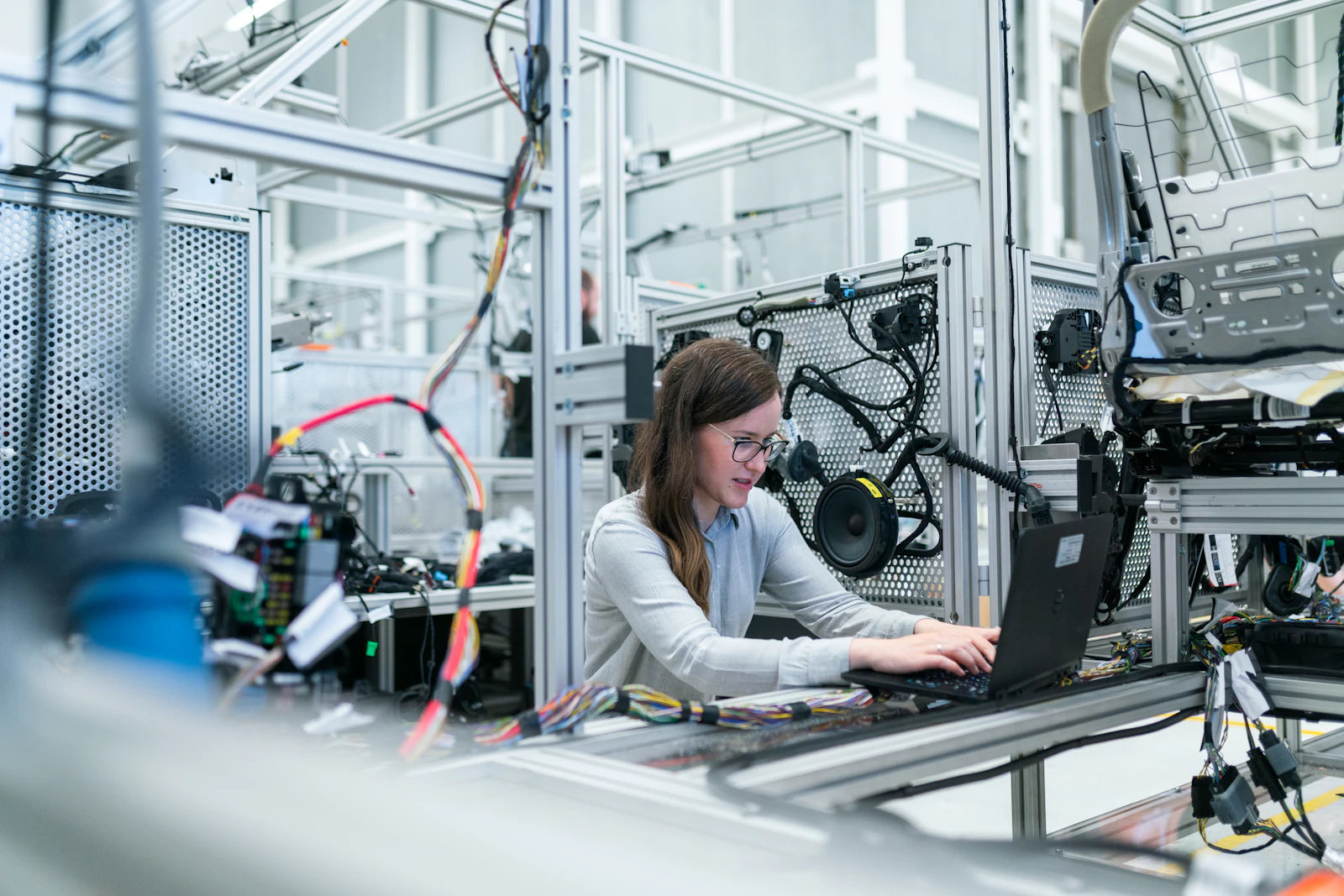
Foxconn parent Hon Hai saw July–September 2026 revenue soar on artificial intelligence server demand, beating market forecasts, according to CNBC-TV18 and other business wires in early October. Coverage cited roughly 47 per cent year-on-year growth for the quarter to about NT$3.03 trillion, with September alone hitting a record above NT$1 trillion in related reports.
Foxconn is a major server maker in Nvidia’s supply chain, so the print is widely read as a real-economy signal of AI infrastructure spending rather than only chip vendor commentary.

Why the number matters beyond Taiwan
- Confirms continued hyperscaler and enterprise AI hardware pull-through
- Supports demand narratives for components, networking, and power gear
- Feeds order visibility for Southeast Asian electronics ecosystems
- Reminds investors how concentrated AI capex has become
AI server demand is doing the heavy lifting in Foxconn’s latest quarterly revenue surge, multiple outlets reported.

What this means for Malaysian readers
Malaysia’s E&E exporters, PCB firms, and data-centre contractors sit adjacent to the same capex wave — strong Foxconn numbers support the regional AI investment story AMRO and local brokers have been describing. It does not guarantee every local supplier wins purchase orders; execution and qualification still decide. Households may notice the indirect effects via industrial hiring and electricity demand near data-centre corridors.
Reading a contract manufacturer’s print
Hon Hai’s revenue spike is a volume signal, not a margin sermon — analysts will still dig into profitability and concentration risk. For Malaysia, the relevance is correlated demand for servers, networking, and power products across the region’s electronics web.
Local industrial landlords and utilities near data-centre hubs already plan around AI loads; strong Foxconn numbers support those planning cases but also intensify competition for skilled trades.
Investors should remember AI capex can pause. Diversified revenue and cautious inventory remain virtues even in boom quarters.
Context for the week ahead
Malaysian readers following business and technology headlines this week will notice how often AI investment, Budget 2027 preparation, and SME cash-flow stress appear in the same news cycle. That overlap is not accidental: public spending choices, private capital expenditure, and household purchasing power are moving together. When you evaluate any single story, place it beside your own order book, job search, or household budget rather than treating it as abstract drama.
Reliable habits help: read primary statements where possible, distinguish confirmed figures from analyst estimates, and avoid resharing unverified social posts about budgets or corporate deals. For SMEs, the actionable layer is usually operational — cash timing, skills, contracts — not predicting the next index move. For workers, skills that complement automation and compliance literacy travel well across employers.
Stay sceptical of certainty. Forecasts get revised, deals can fail regulatory tests, and surveys sample only those who respond. Use this summary as a briefing, then click through to the credited source for the full report before making financial or operational decisions.
Source: CNBC-TV18