









Article
E-Invoicing Is Turning Malaysian Tax Into a Real-Time Data Game
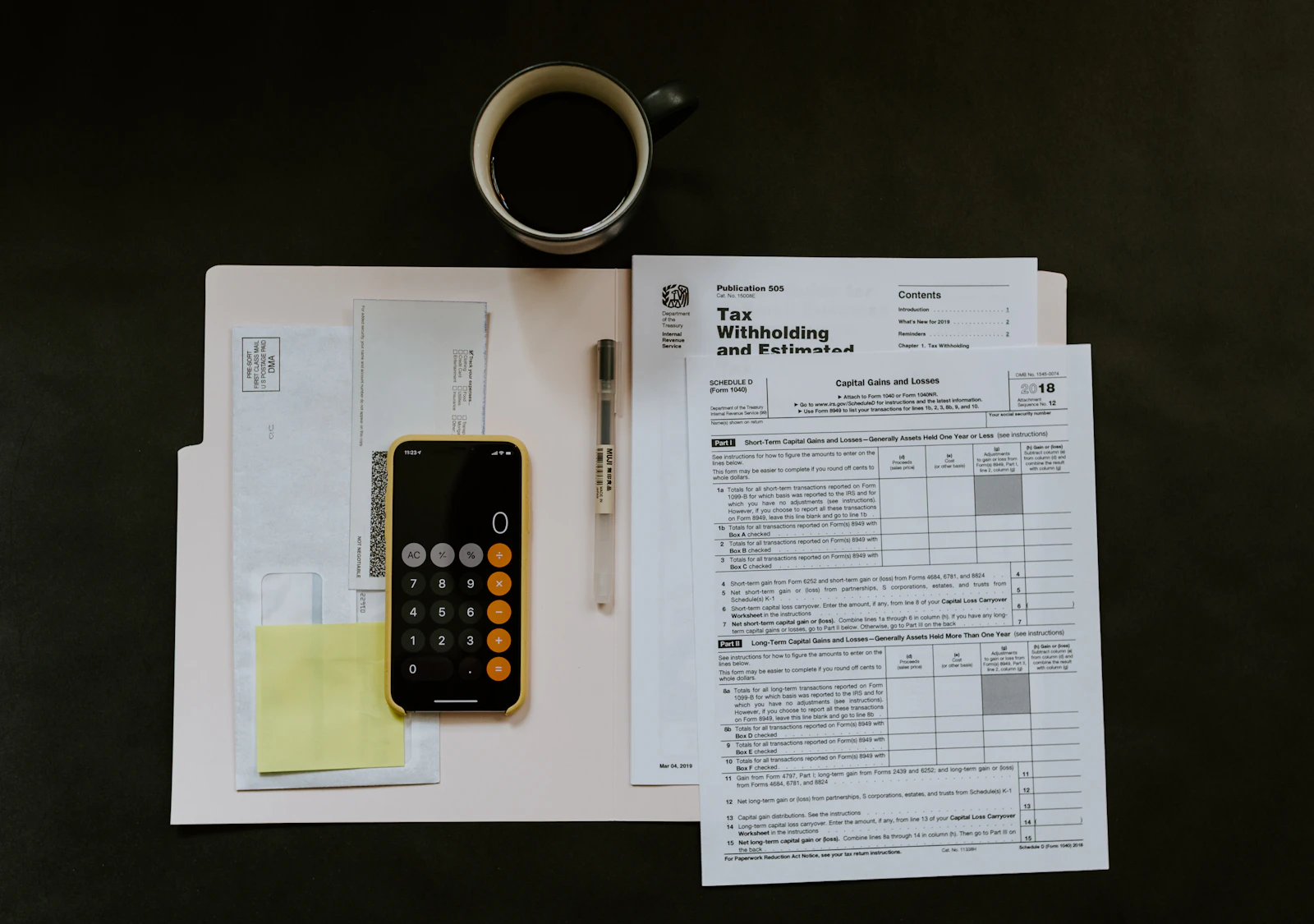
Malaysia's e-invoicing rollout is usually discussed as a software project: connect to MyInvois, push invoices through, tick the box. A commentary published in The Star on 6 October 2026 by two Ernst & Young tax specialists argues that this view misses the bigger shift. In their reading, e-invoicing is quietly moving the country's tax administration from slow, after-the-fact returns towards something close to real-time, transaction-level oversight.
From year-end returns to live transaction data
Traditionally, a business closed its books, worked out its tax position and filed months after the sales actually happened. The Inland Revenue Board (IRB) saw a consolidated picture only once the period was over. Over the years the IRB has added e-filing, e-stamping and the MyTax portal, plus information-reporting regimes such as the Common Reporting Standard, Country-by-Country Reporting and the Malaysian Income Tax Reporting System.
E-invoicing is the most visible piece of that push. Invoices issued through the MyInvois Portal, or from a company's own system, go to the IRB in a machine-readable format for validation. That means a document that used to sit between a supplier and a buyer now also lands in a structured pool of data held by the tax authority. The writers point out that the IRB's own e-invoice guidelines allow that information to be shared with the Royal Malaysian Customs Department.

Validation is not the same as compliance
The central warning in the piece is that a green tick from MyInvois is easy to misread.
"A validated e-invoice is evidence of submission." The EY writers stress that it does not prove the underlying transaction was reported correctly for income tax, SST or customs purposes.
Because the same sale now shows up in several places, the numbers need to line up. The article lists the channels where one piece of business activity can appear:
- the e-invoice itself, submitted through MyInvois
- income tax returns and tax computations
- Sales and Service Tax (SST) returns
- customs declarations
- audited financial statements and other regulatory filings
Differences between these are normal, since accounting and tax treatments often diverge for valid reasons. What matters, the writers say, is being able to explain where each difference came from and show it was handled consistently. Once large volumes of structured data can be matched and compared, gaps that used to be hard to spot become much more visible.
The IRB has moved from rollout to review
Two programmes frame the next stage. The e-invoice Compliance Review Framework, introduced on 15 December 2025, shifts the focus from whether a business can technically issue e-invoices to whether it meets its obligations accurately and consistently. Alongside it, the e-invoice Special Voluntary Disclosure Programme (SVDP) runs until 31 December 2027 and gives taxpayers a route to fix genuine errors and omissions before they surface in a review.
Separately, LHDN chief executive Datuk Dr Abu Tariq Jamaluddin said on 1 October that about 268,000 taxpayers had joined the e-invoice programme, and that the Phase Four threshold had been raised from RM1 million to RM3 million in annual turnover, so businesses below RM3 million do not need to implement e-invoicing.

What this means for Malaysian readers
For SME owners already on e-invoicing, the practical takeaway is to treat it as an ongoing process, not a one-off IT install. That means checking customer and product master data, making sure tax classifications are right, and reconciling e-invoice totals against SST returns and the accounts on a regular schedule. If past submissions contain mistakes, the SVDP window is the time to correct them. Smaller firms under the RM3 million line are not required to adopt yet, but tidy records now will make any future move far less painful.
For anyone choosing accounting, POS or ERP software, the question to ask vendors is no longer just "can it send e-invoices?" but "can it help me reconcile them with everything else I file?"
Source: The Star. Additional figures: The Star (LHDN, 1 Oct 2026)