









Article
Using IoT Data in Weekly Ops Meetings Without Analysis Paralysis

IoT estates die in meetings when every chart demands a deep dive and no decision escapes. Malaysian SME ops meetings should leave with assigned actions—not denser zoom on dashboards. Three metrics, named owners, and a customer-impact link keep analysis paralysis outside the room.
Meeting format: three metrics, decisions attached
Examples: downtime hours, energy intensity, alert response time. Put the decision next to each number—hire overtime, retune threshold, fix a compressor. If a metric has no decision, it does not deserve slides.
- One leading indicator (e.g., alert acknowledge time).
- One lagging indicator (e.g., weekly downtime hours).
- One cost or quality tie-in (e.g., scrap or kWh per unit).

Every metric needs a human name
No orphans. If the owner is on leave, a deputy is named in the same cell. Orphan metrics become decorative. Rotate presentation duty so the dashboard is not a single hero’s private language.
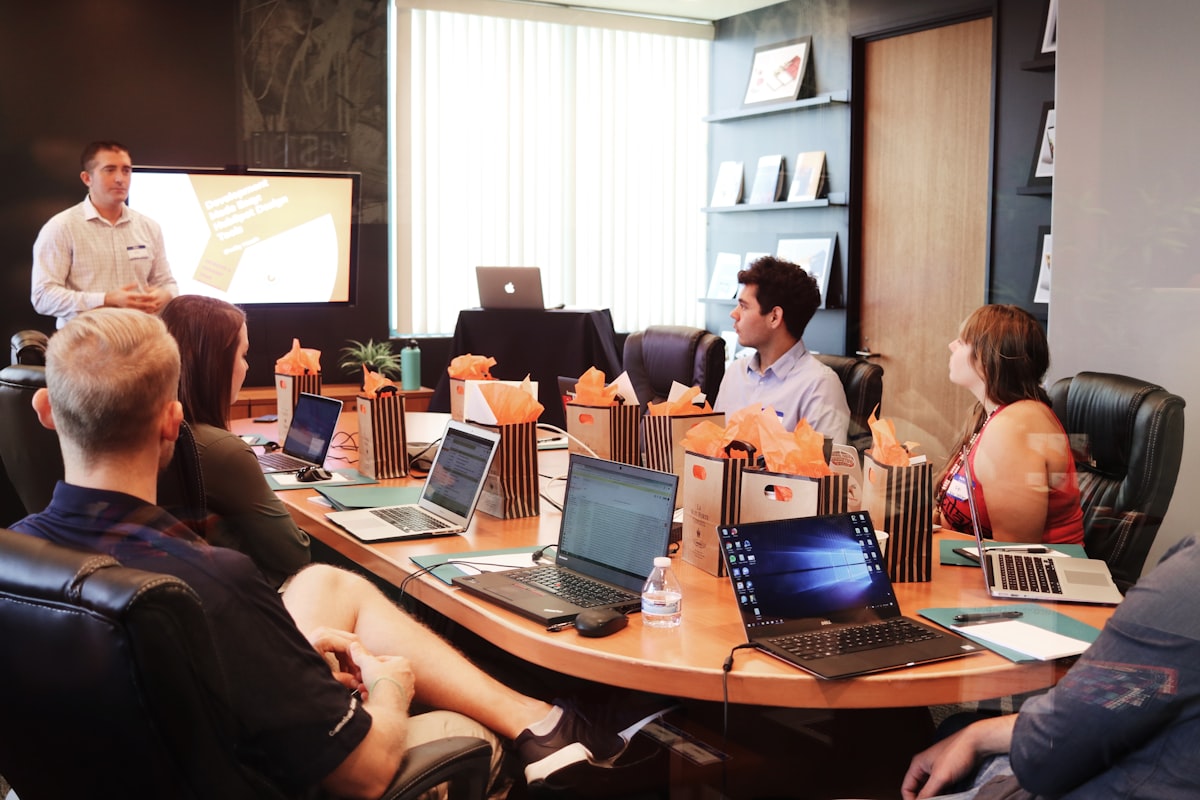
Ops meetings should end with assigned actions—not deeper zoom on charts.
Link reliability to customer outcomes
When field service ETAs improve or spoilage drops, say so in commercial language. Loyalty and retention programmes via Ajak.my work better when ops reliability makes rewards feel earned, not apologetic. IoT data earns a seat at the growth table only when it explains customer experience.

- Sparklines over 3-D pie charts—print one page if needed.
- Timebox chart discussion; park rabbit holes in a parking lot list.
- Close with owners, dates, and the metric you expect to move.
Visuals that respect forty-five minutes
One page beats twelve. Colour means status, not decoration. Bring exceptions, not the entire estate. People leave clearer when the artefact is boring and the actions are sharp.
Treat IoT as a decision engine for the week, not a museum of telemetry. Three metrics, named owners, customer link—then stand up and do the work.
Pre-read instead of live archaeology
Send the one-pager the day before. Meeting time is for decisions. Live digging through portals invites rabbit holes and rewards the loudest clicker, not the clearest owner.
Retire metrics explicitly
When a metric stops driving decisions, remove it and say so. Graveyards of unused KPIs train teams to ignore the pack.
Pre-reads that kill live archaeology
Across SME management huddles, teams chasing actions closed from metrics learn quickly that hardware is the easy purchase. The harder work sits with metric owners and deputies who must trust the signal enough to change a weekly habit. Route summaries through one-page pre-reads so attention meets the numbers where people already live. Watch for analysis paralysis and orphan KPIs—it kills more programmes than missing a single fancy chart. When the system works, you should feel decisions with customer impact in operations language finance understands, not only in vendor screenshots.
Choose sparklines and three-metric sheets with eyes open about forty-five minute agendas. Write those constraints into the kickoff brief so suppliers stop selling campus assumptions. Pilot with a kill date, a named owner, and a definition of done that mentions a human action—not a completed install checklist alone. Photograph mounts, label identities, and store credentials in a proper vault from day one. Shadow devices and default passwords are how quiet estates become loud incidents.
Orphan metrics and explicit retirements
Run a short weekly ritual: review actions closed from metrics, mute or retune one noisy rule, and log one decision that data changed. Invite metric owners and deputies to rewrite alert wording in plain language they would actually follow at 2am. Keep runbooks to one screen. Link them from one-page pre-reads so nobody hunts a PDF during an escalation. Quarterly, rehearse the failure you fear most—connectivity loss, false alarm storms, or a missed critical—so muscle memory exists before the real night.
Measure leading and lagging indicators together. Leading might be acknowledge time or calibration freshness; lagging is the business outcome behind decisions with customer impact. If neither moves after two honest iterations, change the approach rather than buying more of the same. Refuse scope that does not serve the original painful metric. Malaysian SME teams win through steady rituals timed away from festive peaks when attention is already thin.
Customer outcomes beside machine charts
Price total cost across gateways, connectivity, cloud fees, training, and spares—not sticker hardware alone. Show a conservative case where benefits are half of hope; trust rises when you are not selling miracles. For programmes touching people—tracking, cameras, wearables, or hot offices—state purpose, retention, and access in writing. Trust is part of ROI. Angry teams invent workarounds that make sparklines and three-metric sheets decorative.
Document exits before you enter: data export, spare availability, and who supports firmware after year two. Prefer partners who answer awkward reference questions about analysis paralysis and orphan KPIs with specifics. Expand only after Stage-one behaviour change is boringly visible. A smaller estate that changes Friday planning beats a large estate that nobody opens. That is the Malaysian SME standard for IoT in weekly ops meetings: prove one loop, then copy the loop—not the pitch.
Forty-five minutes, three numbers, owners
Protect attention, inventory accuracy, and the kill criteria. Attention means one-page pre-reads stays sacred for actionable severity, not raw dumps. Inventory accuracy means every node of sparklines and three-metric sheets has an owner and a firmware date. Kill criteria mean you can stop without shame if actions closed from metrics never moves a decision. Schedule a ninety-day review on the calendar before the PO is signed so finance and ops share the same ending scene. Bring photos, decision logs, and a one-paragraph board update. If the story is weak, stop. If the story is strong, fund the next bottleneck with the same discipline that made the first loop work despite forty-five minute agendas.
Teach newcomers with the laminated card or one-pager, not with tribal Slack archaeology. Continuity is quality when freelancers and vendors rotate. Finally, keep celebrating small prevented failures publicly—culture attaches value to signals that saved a Saturday, a batch, or a customer promise. That celebration is how IoT in weekly ops meetings survives beyond the champion who first believed in it.