








Article
Smart Home Starter Kit for Malaysian Condos: The First Five Devices Worth Buying

Most Malaysians who try smart home gear start the same way: a cheap bulb from an online sale, an app that asks for too many permissions, and a feature that gets used twice. Then the device sits in a drawer. The problem is rarely the technology. It is the order in which people buy things.
In a condo, you also have extra limits. You may be renting, the management office may have rules about drilling the main door, and your aircond, water heater and lights are often wired in ways you cannot change. So the best starter kit is one that needs no rewiring, works on your existing Wi-Fi, and solves a problem you already feel every week.
Start with the problem, not the gadget
Before you buy anything, write down three small annoyances at home. Common ones are coming back to a hot unit, forgetting whether the iron or rice cooker is off, and walking into a dark corridor with bags of groceries. Each of these maps neatly to one device. If a gadget does not fix something on your list, skip it for now.
This also helps you avoid the trap of buying a different brand for every room. Every extra app is another login, another firmware update and another company that may stop supporting its product one day.

The five devices that earn their place
Here is a sensible first set for a typical two or three bedroom condo:
- Two or three smart plugs for things like a table fan, a kettle or a dehumidifier, so you can schedule them or switch them off remotely.
- One or two smart bulbs or a smart switch module for the living room or entrance, so lights come on before you walk in.
- A Wi-Fi infrared (IR) remote for an older aircond or TV, so you can pre-cool a room from the LRT on the way home.
- A door or window contact sensor on the main door or balcony door, so you get a notification if it opens while you are away.
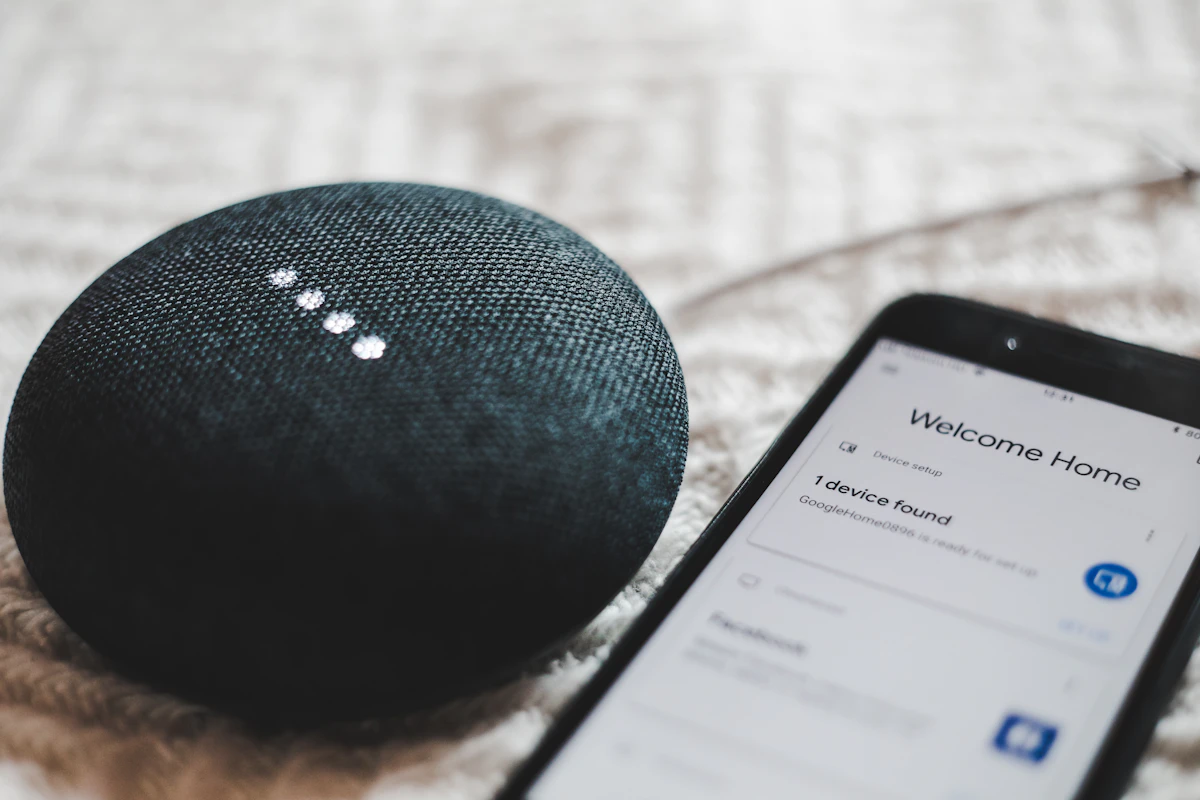
- A smart speaker or a simple hub if you want voice control or local automations that do not depend only on the cloud.
That is it. You can live with this kit for months and learn which routines your household actually uses.
Why plugs and IR remotes come first
Smart plugs are the cheapest way to learn how automation feels. They are also portable, which matters if you rent and may move. A plug with energy monitoring can show you how much a device draws, which is useful if you want to understand your TNB bill better. For more on that, see our guide on finding quiet energy waste.
IR remotes are popular in Malaysia because so many homes still have non-connected aircond units. The remote learns your aircond's signals and lets you control it from your phone or on a schedule. It is not as precise as a built-in smart aircond, but it costs far less than replacing a working unit.

Tip: Buy one device of each type first, live with it for two weeks, then buy more of whatever you actually used. Most wasted smart home money comes from buying a full set on day one.
Wi-Fi, apps and the boring setup details
Condo Wi-Fi can be patchy, especially if the router sits in the living room and the bedrooms are behind thick walls. Before you blame a device, check the signal where you plan to install it. A mesh system or a second access point often fixes more problems than a new gadget.
A few setup habits save headaches later:
- Use the 2.4GHz band for most cheap devices, since many do not support 5GHz.
- Give every device a clear name like "Living fan" rather than "Plug 3".
- Keep the number of apps small. Pick one main ecosystem and stick with it where possible.
- Change the default password on any hub or camera immediately.
- Write down which device is on which socket, especially if you share the unit.
Security matters even at home. Our non-paranoid hardening checklist was written for businesses, but most of it applies to a condo too.
Simple routines that make the kit feel useful
A smart home only feels smart when devices work together. Good beginner routines include turning on the entrance light and living room fan when the door sensor opens after 7pm, switching off all plugs at midnight except the fridge, and starting the aircond 15 minutes before your usual arrival time on weekdays.
Keep routines simple and easy to override. If someone in the family gets annoyed because the lights switch off while they are still reading, the whole system loses goodwill quickly.
When to stop buying
It is tempting to keep adding cameras, robot vacuums and smart curtains. Before you do, ask whether the current kit is reliable. If devices drop offline every few days, more devices will only make it worse. Fix the network and the naming first, then expand.
FAQ
Do I need a hub for a small condo?
Not always. Many Wi-Fi devices work without one. A hub becomes useful when you add Zigbee or Thread sensors, or when you want automations that keep running even if the internet goes down.
Can tenants install smart home devices?
Yes, if you choose plug-in devices, bulbs and battery sensors that do not need drilling or rewiring. Check your tenancy agreement before changing switches or the main door lock.
Will smart plugs reduce my electricity bill?
They can help by switching off devices on a schedule and showing usage, but savings depend on your habits. They are a tool for awareness, not a guaranteed discount.
Start small, pick devices that fix real annoyances, and let your household's habits decide what comes next. A five-device kit that everyone uses beats a twenty-device setup that only one person understands.