









Article
Sambal Belacan You Can Batch and Freeze Without Losing Punch
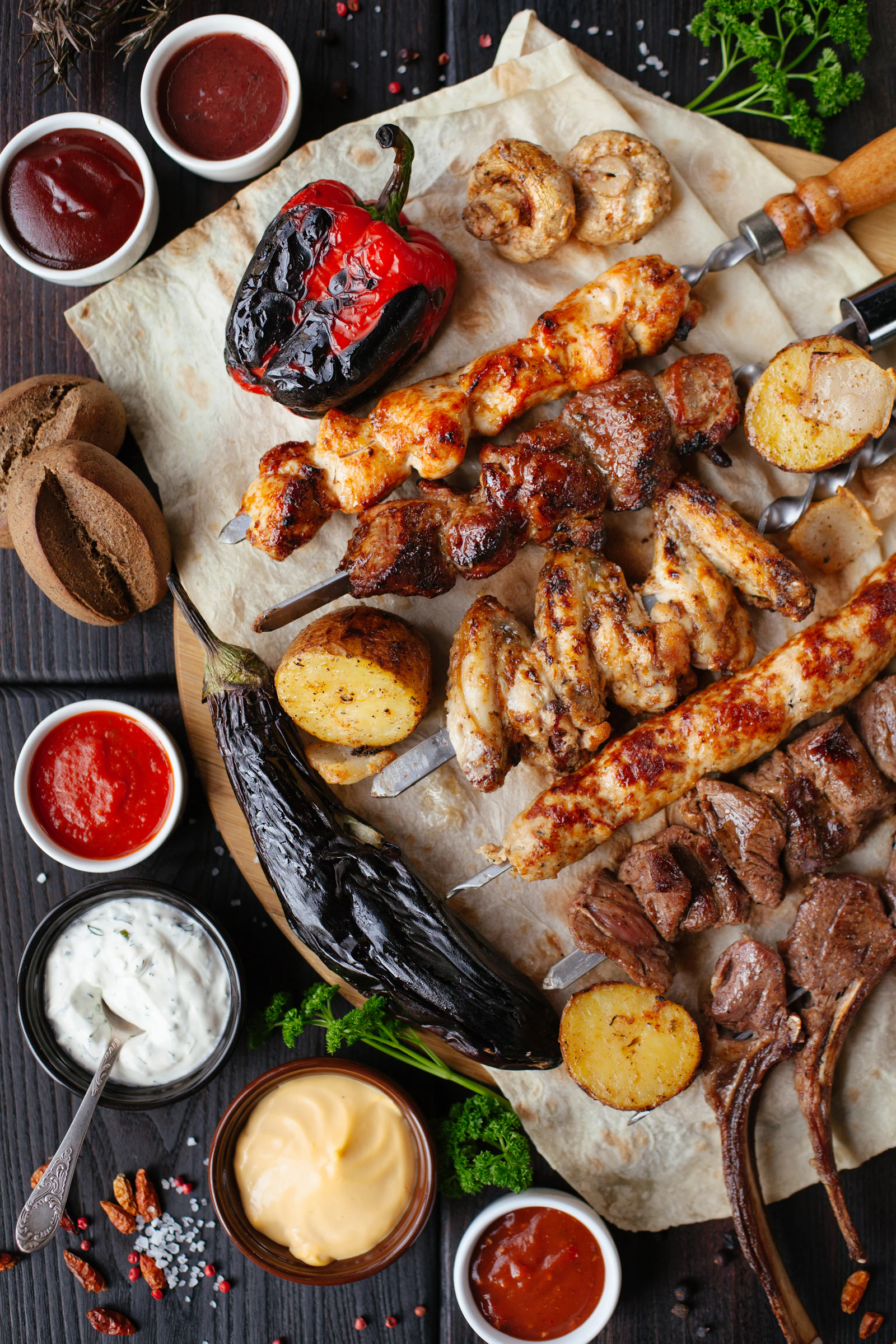
Sambal belacan is the shortcut that makes plain rice interesting. Make a larger batch once, portion it, and you always have heat ready for fried eggs, kangkung, or grilled fish.
Fresh lime at the table matters as much as the chilli. The belacan should be toasted so it smells nutty, not raw.
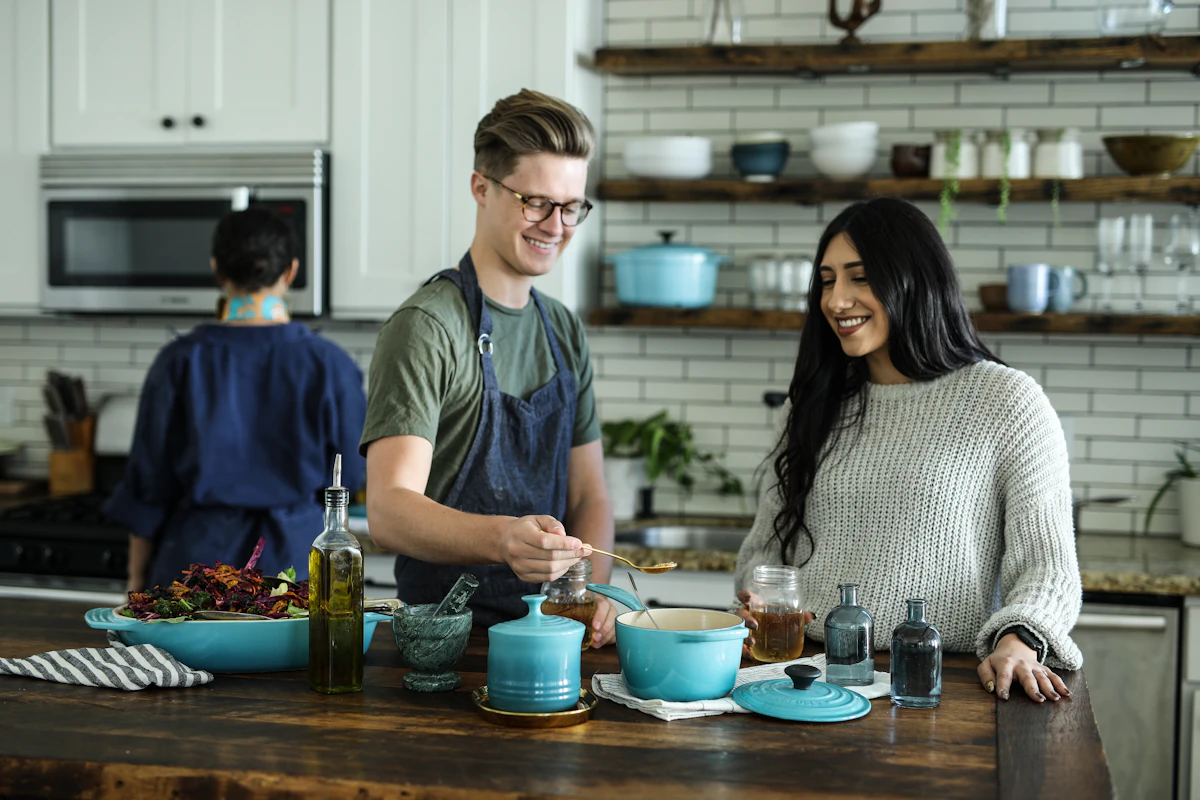
Ingredients for one medium jar
- 15–20 fresh red chillies (mix bird's eye and larger red for balance)
- 1 tbsp belacan, toasted until fragrant
- 2 shallots, 2 garlic cloves optional
- Juice of 2–3 calamansi or limes
- Salt and a pinch of sugar
Toast belacan in a dry pan or wrapped in foil until the smell fills the kitchen, then cool before pounding.

Pound or blend
Pound chillies, shallots, garlic, and belacan in a mortar for the classic texture, or pulse briefly in a blender. Stir in lime juice, salt, and sugar. Taste: heat first, then salt, then sour.
Storage and safety
Keep refrigerated in a clean jar up to one week. For longer keeping, freeze in small portions. Always use a clean spoon. If the surface looks cloudy or smells odd, throw it out.

Heat levels for different tables
Bird's eye chillies bring sharp heat; larger red chillies bring body and colour. Mixing both gives sambal that tastes rounded rather than only painful. For mixed households, make a medium batch and offer sliced fresh chilli on the side for people who want more fire.
Lime juice brightens belacan. Add it after pounding so the fragrance stays vivid. Salt wakes flavour; sugar rounds harsh edges. Adjust in tiny pinches and taste on a piece of cucumber or rice, not from a heaped spoon.
Freezing without dulling
Ice-cube trays portion sambal for single meals. Once frozen, tip cubes into a labelled bag. Thaw in the fridge or stir a cube into a hot wok. Texture may loosen slightly after freezing — that is normal. Stir and use.
Never return unused sambal from the table to the storage jar. Cross-contamination shortens shelf life. Teach everyone to scoop what they need into a small dish first.
Serve beside rice, noodles, or grilled proteins. A teaspoon wakes up leftovers. Batch on Sunday and midweek dinners get faster without tasting dull.
Common mistakes and easy fixes
When belacan disappoints, the cause is usually timing, heat, or seasoning rather than a missing secret ingredient. Write down what you changed: minutes on the stove, chilli amount, salt level. Small notes turn the next attempt into a calmer cook instead of a guess.
Taste as you go when it is safe to do so — after sauces have boiled, after meats have cooked through. Salt early in layers for soups and curries; finish with acid for fried and grilled dishes. Sugar is not only for desserts; a pinch often rounds chilli heat in chilli heat style cooking.
Tools matter less than attention. A heavy pot, a sharp knife, and an honest timer outperform unused gadgets. Keep the sink clear while you cook so cleanup does not erase the pleasure of eating.
Serving, leftovers, and the next day
Plate lime with something fresh and something crunchy when you can. Contrast keeps rich Malaysian flavours lively. Plain cucumber, raw onion salad, or simple broth on the side can reset the palate between spicy bites.
Store leftovers in shallow containers, cool them promptly, and reheat until steaming. Label dates. If you would not smell it happily before heating, do not serve it. Teaching this habit to everyone in the house prevents quiet fridge risks.
Cook jar storage when you have a little extra patience, then freeze portions for nights when patience is gone. That is how home cooking stays sustainable instead of heroic once a month.
Finally, invite feedback from the people you feed. Ask whether sambal should be milder, saltier, or thicker next time. Family kitchens improve through conversation as much as through recipes. Keep this article bookmarked as a checklist, then make the dish your own with the brands and produce your neighbourhood sells best.
Repeat the method until your hands remember it. Confidence in the kitchen is mostly repetition with better notes, not talent reserved for chefs on television. Your stove, your rice cooker, and your spice jar are enough to feed people well.