









Article
Budget Cooking in Malaysia: Filling Meals Under Twenty Ringgit

Eating well on a tight budget is about choosing ingredients that stretch: eggs, tofu, lentils, frozen vegetables, and bones for stock. Flavour comes from garlic, chilli, soy, and leftover sambal — not from expensive cuts every night.
These ideas aim for roughly under RM20 for two generous servings, depending on your local prices. Adjust portions and shop hypermarkets on promotion days.

Four budget plates
- Egg and tomato curry with rice
- Tofu, cabbage, and dried shrimp stir-fry
- Red lentil dhal with cucumber
- Chicken wing rice using a small pack of wings stretched with vegetables
Buy whole chickens or family packs when on offer, portion, and freeze. Unit price beats convenience trays.

Shopping habits that save
Compare price per 100 g. Use frozen mixed vegetables when fresh is pricey. Keep dried chillies, garlic, and onions as flavour anchors. Cook beans and lentils from dry when you have time.
Protein stretching tricks
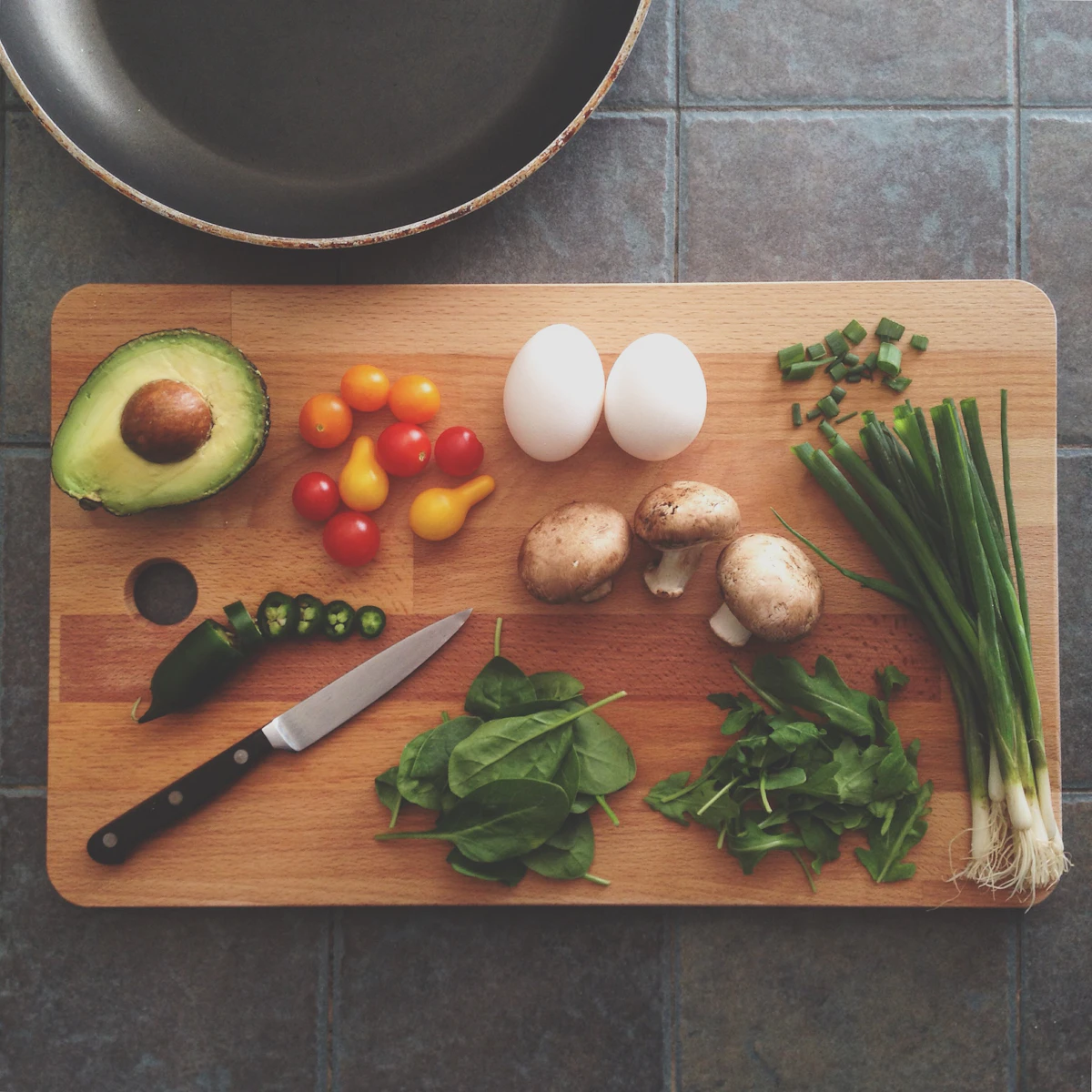
Eggs stretch further in curries and fried rice than as a lone fried egg. Tofu bulk out minced meat when you want a meaty texture for less cost — mix half and half in stir-fries. Lentils and beans add protein and fibre; soak and cook a pot on weekends.
Bones and chicken backs make stock that turns vegetable soup into a meal. Freeze stock in jars with headspace, or in bags laid flat.
Flavour first, fancy later
Garlic, onion, dried chilli, and soy sauce create depth without specialty ingredients. Toast spices briefly in oil before adding liquids. Acid from lime or vinegar at the end makes cheap meals taste awake.
Track what you throw away for two weeks. That list teaches better than any coupon. Burned rice and forgotten greens cost more than the occasional promotion chicken.
Waste is the real cost
Plan two meals from one cooked protein. Turn leftover rice into fried rice the next day — cool and chill rice properly first. A written list beats impulse snacks at the checkout.
Budget cooking is not bland cooking. Salt, acid, and chilli do heavy lifting when meat portions are small.
Common mistakes and easy fixes
When budget plate disappoints, the cause is usually timing, heat, or seasoning rather than a missing secret ingredient. Write down what you changed: minutes on the stove, chilli amount, salt level. Small notes turn the next attempt into a calmer cook instead of a guess.
Taste as you go when it is safe to do so — after sauces have boiled, after meats have cooked through. Salt early in layers for soups and curries; finish with acid for fried and grilled dishes. Sugar is not only for desserts; a pinch often rounds chilli heat in eggs and tofu style cooking.
Tools matter less than attention. A heavy pot, a sharp knife, and an honest timer outperform unused gadgets. Keep the sink clear while you cook so cleanup does not erase the pleasure of eating.
Serving, leftovers, and the next day
Plate unit price with something fresh and something crunchy when you can. Contrast keeps rich Malaysian flavours lively. Plain cucumber, raw onion salad, or simple broth on the side can reset the palate between spicy bites.
Store leftovers in shallow containers, cool them promptly, and reheat until steaming. Label dates. If you would not smell it happily before heating, do not serve it. Teaching this habit to everyone in the house prevents quiet fridge risks.
Cook lentils when you have a little extra patience, then freeze portions for nights when patience is gone. That is how home cooking stays sustainable instead of heroic once a month.
Finally, invite feedback from the people you feed. Ask whether waste should be milder, saltier, or thicker next time. Family kitchens improve through conversation as much as through recipes. Keep this article bookmarked as a checklist, then make the dish your own with the brands and produce your neighbourhood sells best.
Repeat the method until your hands remember it. Confidence in the kitchen is mostly repetition with better notes, not talent reserved for chefs on television. Your stove, your rice cooker, and your spice jar are enough to feed people well.
Keep a short shopping list on your phone for the ingredients this recipe uses most often so you are not improvising with substitutes that change the dish too far from what you enjoyed. When produce looks tired at the shop, switch the meal plan rather than forcing soft herbs or ageing fish into a recipe that needs freshness. Good cooking starts in the aisle as much as at the stove.
If you cook with children nearby, narrate the safe steps: washing hands after raw meat, turning pan handles inward, and tasting only when food has cooled enough. Homes that talk about food safety raise confident cooks. The same patience you give dough or curry gravy also belongs to people learning beside you.