









Article
Cross-Border Selling From Malaysia to Singapore and Beyond

Once your online store is running smoothly at home, selling overseas starts to look appealing. Singapore is next door, and shoppers across Southeast Asia and beyond buy Malaysian products ranging from snacks and batik to beauty products and handmade goods.
Cross-border ecommerce can open up new revenue, but it adds complexity: shipping, customs, payments, regulations and customer service across borders. This guide covers what to think about before you start.
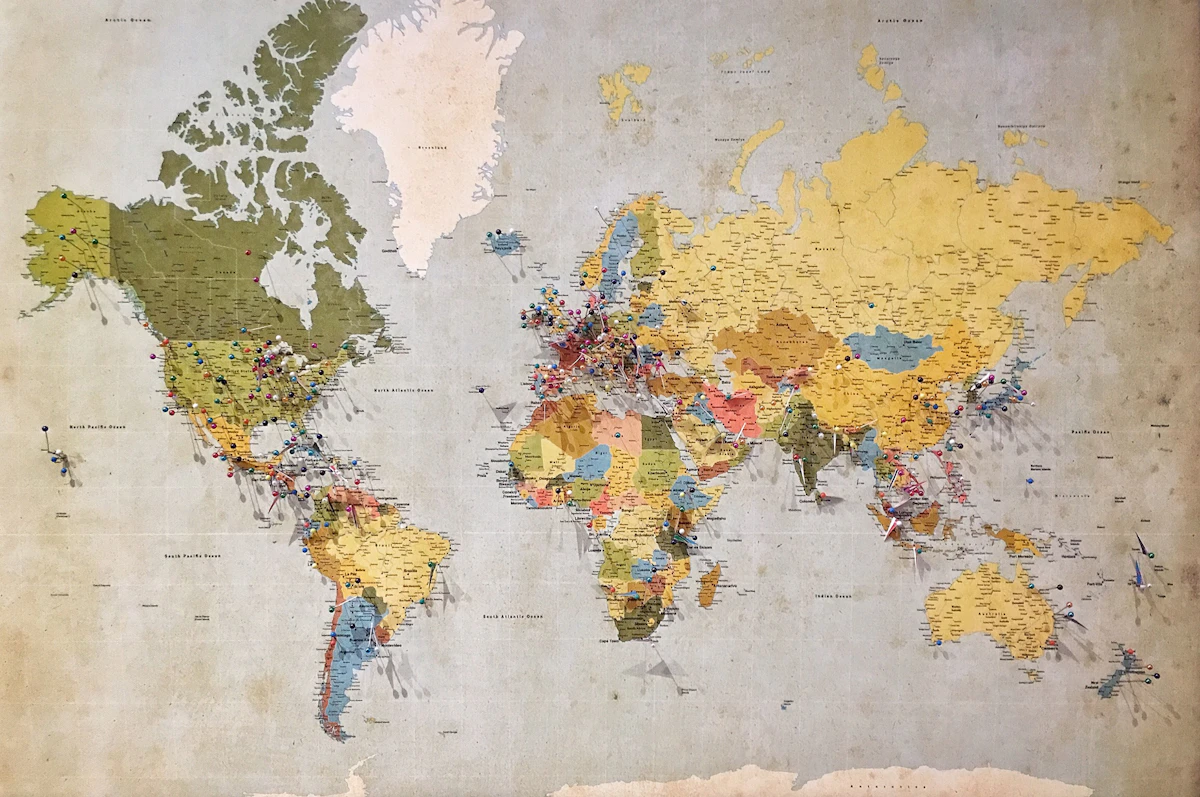
Start with the right market
Do not try to sell everywhere at once. Pick one market to start, based on:
- Demand: is there real interest in your product there? Look at marketplace listings, search trends and social media.
- Proximity: nearby markets like Singapore are usually simpler and cheaper to ship to.
- Language and culture: markets where English or Malay is widely understood make listings and support easier.
- Competition: check whether local sellers already offer similar products at lower prices.
- Regulations: some products, especially food, cosmetics and health items, face stricter import rules in certain countries.
Singapore is a common first choice for Malaysian sellers because of distance, shared languages and familiar shopping habits.
Choose how to sell
There are a few main routes:
- Marketplace cross-border programmes: some marketplaces let sellers in one country list products to buyers in others, with logistics support. Check the current programmes in your seller centre.
- Your own website: you can accept international orders, but you handle shipping, currency and payments.
- Overseas marketplaces directly: listing on a marketplace in the target country may require local registration or a local partner.
- Distributors or resellers: for physical retail or bigger volumes, partnering with an overseas distributor can be simpler.
Key takeaway: start with the route that needs the least new infrastructure. Learn from the first market before expanding further.

Understand shipping and customs
International shipping is the biggest practical challenge. Consider:
- Cost: international rates are higher, and weight and size matter even more. Get real quotes for your common parcels.
- Delivery time: set honest expectations with buyers.
- Customs: shipments may need customs declarations, and buyers may face import duties or taxes depending on the destination and value.
- Restricted items: each country has its own prohibited and restricted goods lists.
- Tracking: choose services with end-to-end tracking so buyers can follow their parcel.
Be clear about who pays duties and taxes. Surprise charges on delivery are a common source of complaints and refused parcels. Check the destination country's official customs information or ask your courier.
Handle payments and currency
Overseas buyers want to pay in their own currency with methods they trust. If you sell through your own site, check whether your payment gateway supports international cards and multiple currencies, and what conversion fees apply. Our guide to choosing a payment gateway explains what to compare.
Displaying prices in the buyer's currency, even approximately, reduces confusion.

Price for the new market
Do not simply convert your Malaysian price. Consider:
- Local competitor prices
- Higher shipping and potential duties
- Platform fees in cross-border programmes
- Currency fluctuations
- Return costs, which are often high internationally
Some sellers set separate price lists for each market so every order stays profitable.
Adapt listings and support
Listings should speak to local buyers. Use the units, terms and sizes they are familiar with. Answer questions about delivery time and duties upfront. Make sure your customer service hours cover the time zone, which is easy for Singapore and harder for markets further away.
Returns policies need special thought. Returning items internationally is expensive. Consider offering refunds or replacements for defective items without requiring a return, if the value makes sense.
Check legal and tax matters
Selling abroad may have tax, registration or reporting implications both in Malaysia and in the destination country. Rules differ by country and change over time. Speak with an accountant or trade advisor before scaling up, and keep good records of every international sale.
Run a small pilot first
Before promoting heavily overseas, run a pilot with a limited range of your best-travelling products. Ship a few dozen orders, then review delivery times, damage rates, customer questions and real profit per order. Ask early overseas buyers for feedback on the whole experience, from browsing to receiving the parcel. A short pilot reveals problems such as unclear duty information or packaging that does not survive the journey, while the stakes are still small.
FAQ
Is Singapore a good first overseas market?
For many Malaysian sellers, yes, because of proximity and shared languages. But check demand and competition for your specific product first.
Who pays import duties?
It depends on the destination's rules and the shipping terms you use. Be transparent with buyers so there are no surprises.
Can I sell food products overseas?
Food often faces strict import rules, such as labelling, permits and ingredient restrictions. Check the destination country's requirements carefully.
Cross-border selling can grow your business beyond Malaysia, but it rewards careful preparation. Start with one market, choose a simple route, get shipping and customs right and price for real costs.