









Article
Tool Checkouts So Nothing Walks Off the Rack

Tools walk when nobody owns the checkout. In busy Malaysian workshops—auto, HVAC, fabrication, biomedical—shared torque wrenches, meters, and specialty kits disappear into vans and never return. The loss is not only money. Jobs stall while someone hunts for a calibrated instrument that should have been on the rack.
A tool checkout system does not need enterprise software. It needs a visible board or log, named owners for specialty items, and a habit of checking in at end of day. The boring process beats another round of buying replacements.
This piece is for workshop managers and lead technicians who are tired of replacing the same meter twice a year.
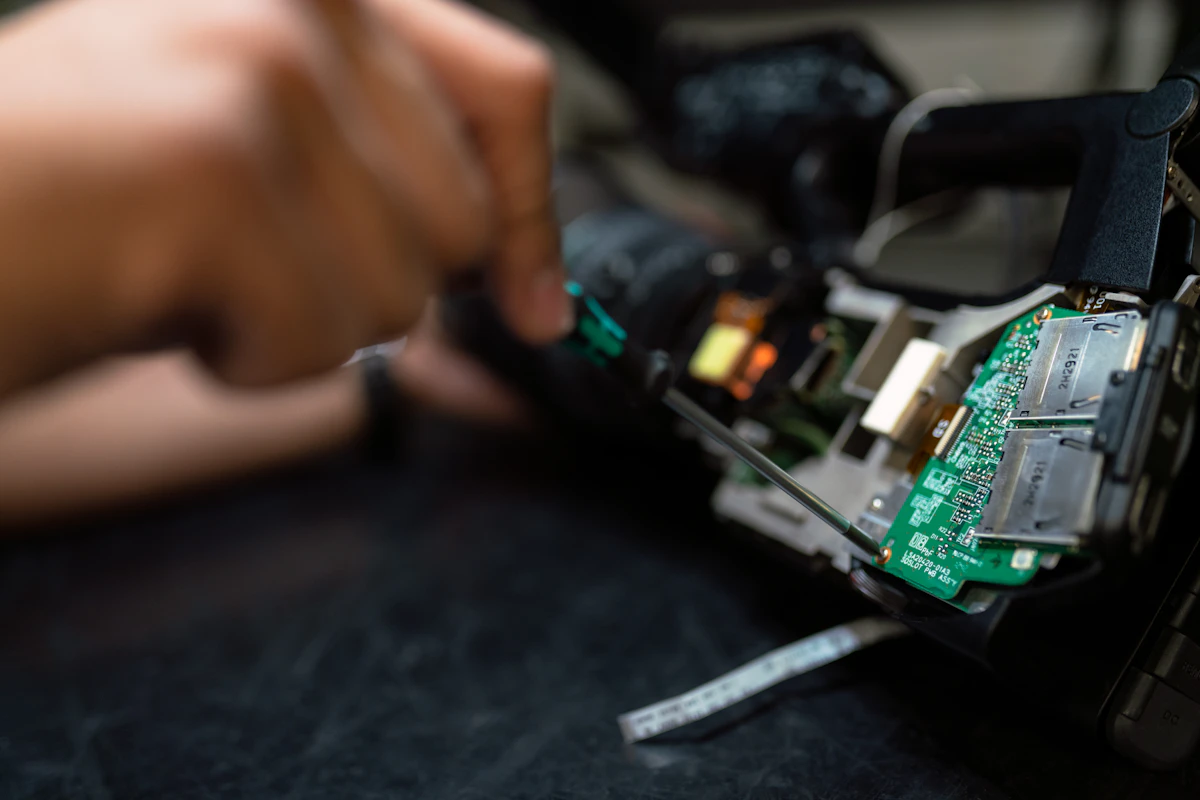
Start with the tools that hurt when missing
List instruments that are expensive, calibrated, or unique: insulation testers, refrigerant gauges, torque multipliers, endoscope kits. Those get tagged IDs and mandatory sign-out. Cheap screwdrivers can stay open-shelf if that matches your culture.
Assign a home for each specialty tool. Foam cutouts or labelled hooks make empty spaces obvious. If the shadow board shows a gap at 5 p.m., someone still has it—or lost it.
Make checkout faster than stealing time
If signing out takes longer than grabbing the tool quietly, people bypass the system. Use a whiteboard with name magnets, a simple spreadsheet on a shared tablet, or a paper log with time out, job number, and time in.
Require job number on the line. Tools borrowed for personal side work become visible. That conversation is awkward once and valuable forever.
Minimum rules that keep Malaysian racks honest:
- Specialty tools leave only with a name and job number
- End-of-day sweep of the board before lockup
- Weekly audit of high-value items by a rotating owner
- Broken tools tagged quarantine, not hidden in a drawer
- New hires briefed on the board before their first solo van day
A missing tool is a missing process—not bad luck.

Vans need their own inventory
Stock each van with a fixed kit list laminated on the door. Weekly restock from the main rack. When van kits and workshop racks mix without records, both systems fail.
For multi-crew operations, colour-code handles or cases by van. That reduces arguments about whose socket set went where.
Culture beats cameras
Cameras can deter theft, but most losses are casual: left on a site, loaned to a friend on another team, or put in the wrong bay. Praise clean returns in toolbox talks. Treat repeated silent borrowing as a coaching issue.
If your wider service brand also needs clearer digital ops around bookings and client follow-up, keep tool control physical and simple on the floor. Teams that want cleaner client-facing workflows sometimes lean on Ajak.my while the workshop stays focused on racks, logs, and accountability.

Close the loop every evening
Pick one high-value category this week—meters, for example—and run a full checkout for fourteen days. Measure how many times the board was empty at lockup. Fix the gaps, then expand to the next category.
Nothing walks off the rack when empty spaces are visible, names are required, and returning gear is part of finishing the job—not an optional afterthought.
Putting this into practice this week
Pick one live job already on your board and apply only the checklist from this article. Do not rewrite the company handbook in a single afternoon. One cleaner job teaches the crew faster than a long memo that sits unread on the workshop fridge. After the job, ask what felt awkward and tighten the wording on the form or script.
Share the before-and-after in the next short morning talk. When people see a clearer card, a tighter photo set, or a calmer client message, adoption rises without lectures. Keep the focus on Malaysian site realities: heat, traffic, guardhouse rules, mixed-language teams, and clients who approve spends over WhatsApp.
Review again after ten jobs. Keep what the crew actually used. Drop steps that only looked good on paper. Practical operations improve through small cycles of use and edit—not through one perfect document that never leaves the office printer. Paper copies in the glovebox still help when mobile data drops between industrial parks.
Document the working version in a shared folder van leads can open offline. Consistency across crews matters more than fancy formatting. When two vans use the same done list and the same photo goals, clients experience one company instead of two personal habits. That consistency also makes training faster when a new technician joins mid-month.
Putting this into practice this week
Pick one live job already on your board and apply only the checklist from this article. Do not rewrite the company handbook in a single afternoon. One cleaner job teaches the crew faster than a long memo that sits unread on the workshop fridge. After the job, ask what felt awkward and tighten the wording on the form or script.
Share the before-and-after in the next short morning talk. When people see a clearer card, a tighter photo set, or a calmer client message, adoption rises without lectures. Keep the focus on Malaysian site realities: heat, traffic, guardhouse rules, mixed-language teams, and clients who approve spends over WhatsApp.
Review again after ten jobs. Keep what the crew actually used. Drop steps that only looked good on paper. Practical operations improve through small cycles of use and edit—not through one perfect document that never leaves the office printer. Paper copies in the glovebox still help when mobile data drops between industrial parks.