









Article
Photo Angles for Flat Lay Versus Worn Shots

A flat lay and a worn shot answer different questions. The flat lay shows the object as an object: shape, print, and what is included. The worn shot shows how that object sits on a body, a table, or in a hand. Sellers get into trouble when they use one angle to do the other angle's job, then wonder why buyers message for measurements the photo never offered. You do not need a studio. You need to know which question this frame is for, and to shoot it in light that does not lie about colour.
Phone cameras are enough for most shop listings if the angle is deliberate. A random overhead of a crumpled baju and a mirror selfie in yellow room light are both weaker than a plain sequence you repeat for every product.

Let the flat lay tell the contents
Shoot flat lays from directly above, with the lens parallel to the floor or table, so rectangles stay rectangles. Stand on a steady chair if you must, and use a short timer or a remote so the phone does not tilt in your hand. Centre the product with space around it. A crop that cuts off a sleeve in the flat lay makes the shape impossible to judge.
Use this angle for sets, hampers, stationery, and any item where the buyer must see every piece. Arrange the pieces in the same order you pack them, and do not add props you do not sell unless they are clearly not part of the offer. A spoon, a flower, and a borrowed cup have a habit of looking like contents. If a ribbon is a paid add-on, either leave it out or caption that it is optional.
Keep the background quieter than the product. A tiled floor with strong grout, a busy batik cloth, or a glass table full of reflections will fight the print you are trying to sell. Daylight from a window, with the product out of direct sun, is usually kinder than a warm ceiling bulb that turns white fabric cream.
Shoot a small set, not a pile of near duplicates
For each product, a short sequence covers the questions buyers actually ask.
- One flat lay of the whole item or the full set, edges included.
- One closer flat lay of the print, texture, or hardware.
- One worn or in-use shot that shows scale on a body or in a hand.
- One detail of the closure, sole, label, or joint you get asked about.
- One shot of the colour against a neutral background if the fabric is tricky.
- The same sequence again for a different colour, not a filter on the first colour.
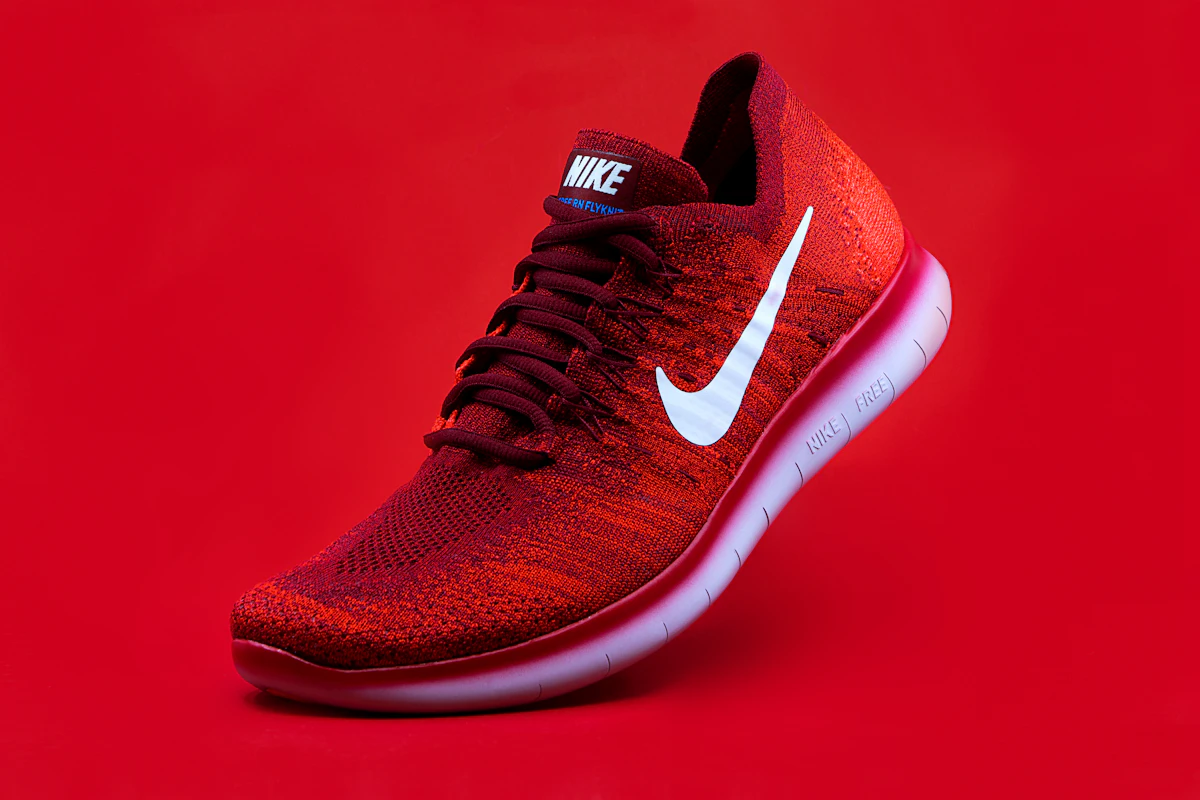
A flat lay proves what is in the parcel. A worn shot proves how it sits. Neither photo can fake the other's job.
Let the worn shot tell the fit
Worn shots need a body or a real use, and they need enough of that body to judge proportion. A crop at the neck and again at the hip hides the length buyers are trying to see. Step back. Show the garment from shoulder to hem, or the shoe on a foot from the side, or the bag worn on the shoulder rather than only clutched at the logo. If the model is you, use a tripod or a patient friend. Arms-length selfies distort width.
Say in the caption what size is worn and what the wearer's relevant measurements are, if they agree. Match the pose to the size chart rather than replacing it. A turned shoulder and a hand on the hip change how wide a garment looks. Use a neutral stance for the honest frame, and a lifestyle pose only as an extra.
Colour must match the flat lay. If the worn shot is indoors under yellow light and the flat lay is by the window, buyers will think you sell two colours. Shoot both in the same light when you can. Check the result on a handphone, not only on the laptop you edited with, because that is where the listing will be judged.

File the photos so the listing stays honest
Name files by product and angle before you upload, so a navy flat lay is not dragged into the maroon listing at midnight. Keep originals. Heavy filters that slim a waist or deepen a colour will become returns. A small straighten and a crop are enough for most shop photos. If you remove a stain or a flaw in the edit, you have photographed a different item from the one you ship.
Use the first image for the question that most needs answering. For a patterned fabric, that may be the flat lay. For a modest dress sold on fit, that may be the full worn shot. Do not lead with a tiny detail of a button and make people swipe to learn what the product is. Marketplace covers are small. The shape should survive a thumbnail.
Reshoot when the batch changes. A new cut with last year's worn shot is a false chart made of pixels. Build the habit into receiving: before the goods go deep into the storeroom, photograph one piece flat and one piece worn or in use. The menu, the size chart, and the photos then describe the same thing.