Article
A Basic Photo Setup for Products on a Shop Table

Product photos for a small Malaysian shop do not need a studio. They need a table, a window, and a habit. Customers on WhatsApp and on your catalogue decide from a small screen whether the kueh, the shirt, the spare part, or the bottle is what they think it is. A yellow indoor bulb and a cluttered background make good products look careless. You can set up a corner this week and shoot a whole list in one sitting, then stop fiddling with angles during the rush.
Pick the table closest to a window and shoot in the day. Turn off the warm ceiling light so the colour does not split between orange and blue. If the window is harsh, hang a thin white cloth to soften it. You are not trying to look like a magazine. You are trying to show the true colour of the thing you sell, in a frame that is the same for every item.
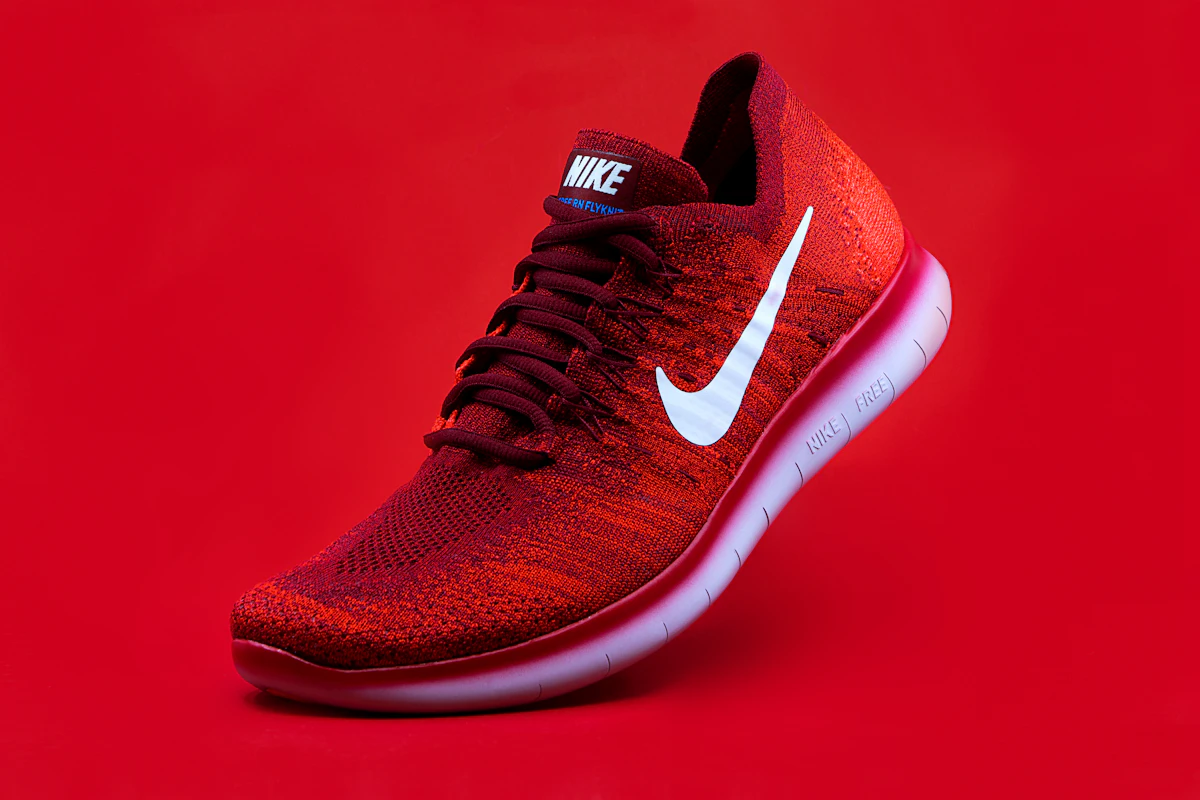
A background that does not join the product
Use a board, a large sheet of paper, or a clean wall in one colour. White and light grey are forgiving. A patterned tablecloth will date the photo and distract from a small product. Wipe the surface. Crumbs and dust show up more in photos than they do to your eye. Put the product on the board with space around it. If you sell several sizes, shoot them in the same spot so the customer can compare without learning a new layout each time.
Stand in the same place for the whole session. A phone propped on a stack of books is steadier than a hand. Use the rear camera. Tap to focus on the product, not on the background. Turn the flash off. Flash makes food look wet and plastic look cheap. If the frame is too dark, move the table closer to the window rather than adding a filter later. Filters that "pop" will change a brown kueh into something you do not sell.
One setup, many products
Photograph the bestsellers first, while the light is good. Then the items people always ask about. Then variants, such as colours or flavours, in the same crop. Shoot two frames of each: one square enough for a catalogue, and one slightly wider in case you need to trim. Include a size clue when size matters. A shoe next to nothing looks like every size. A bottle with the label facing the camera should have the label readable. If the label is a lie or an old price, peel the price off before you shoot. The photo will outlive the sticker.
- Daylight window, ceiling lights off.
- Plain board or paper, wiped first.
- Phone fixed in one position, flash off.
- Same distance for items that should compare.
- Label readable, old price stickers removed.
- Two frames each, bestsellers first.
- A folder named by month, not a camera roll of maybes.
If the colour on the phone does not match the product in your hand, do not post it. Move the table before you touch a filter.
Food should be the portion you actually sell, on the plate or in the box the customer will recognise. Do not add garnish you will not include in the order. A shirt should be steamed enough that the photo is not a map of wrinkles, unless wrinkles are the fabric. A small hardware part can sit on a plain card with the size written beside it. That card will save you a dozen "what size is this" messages.
Edit lightly and name the files
Crop so the product fills the frame. Straighten the horizon. Adjust brightness only until it matches what you see in your hand. Do not smooth, reshape, or change the colour. Save with a name you can find: item, variant, month. Delete the blurry extras so the next person does not upload them. If you use a catalogue, replace the old photo the same day you change the product. A new recipe under an old picture is a complaint waiting for a delivery.
Keep the setup notes on a card in the folder. Window, time of day, which wall, how high the phone sits. Next month you should not have to reinvent it. Consistency is what makes a small shop look organised. Ten products shot the same way beat one dramatic photo and nine dark ones from the storeroom.

What not to spend money on yet
A light tent, a second lens, and a backdrop stand can wait until the window setup is failing you. Most early photos fail because of clutter, flash, and a different angle every time, not because the phone is too cheap. If you sell reflective items, such as bottles, you may need to angle them so the window is not a white blob. Practise on one bottle before you buy equipment. Borrow a better phone for an hour if yours cannot focus close. You still do not need a studio.
A monthly hour is enough
Block one hour a month, or the morning after a menu change. Shoot what is new, replace what is wrong, and leave the rest. Show the photos to someone who does not work the counter and ask what they think the item is. If they cannot tell, the crop or the label is wrong. Product photos are a sales tool, but they are also a promise. A plain, true picture from a shop table will carry a Malaysian SME further than a glossy image of a version you only made once for the camera.